

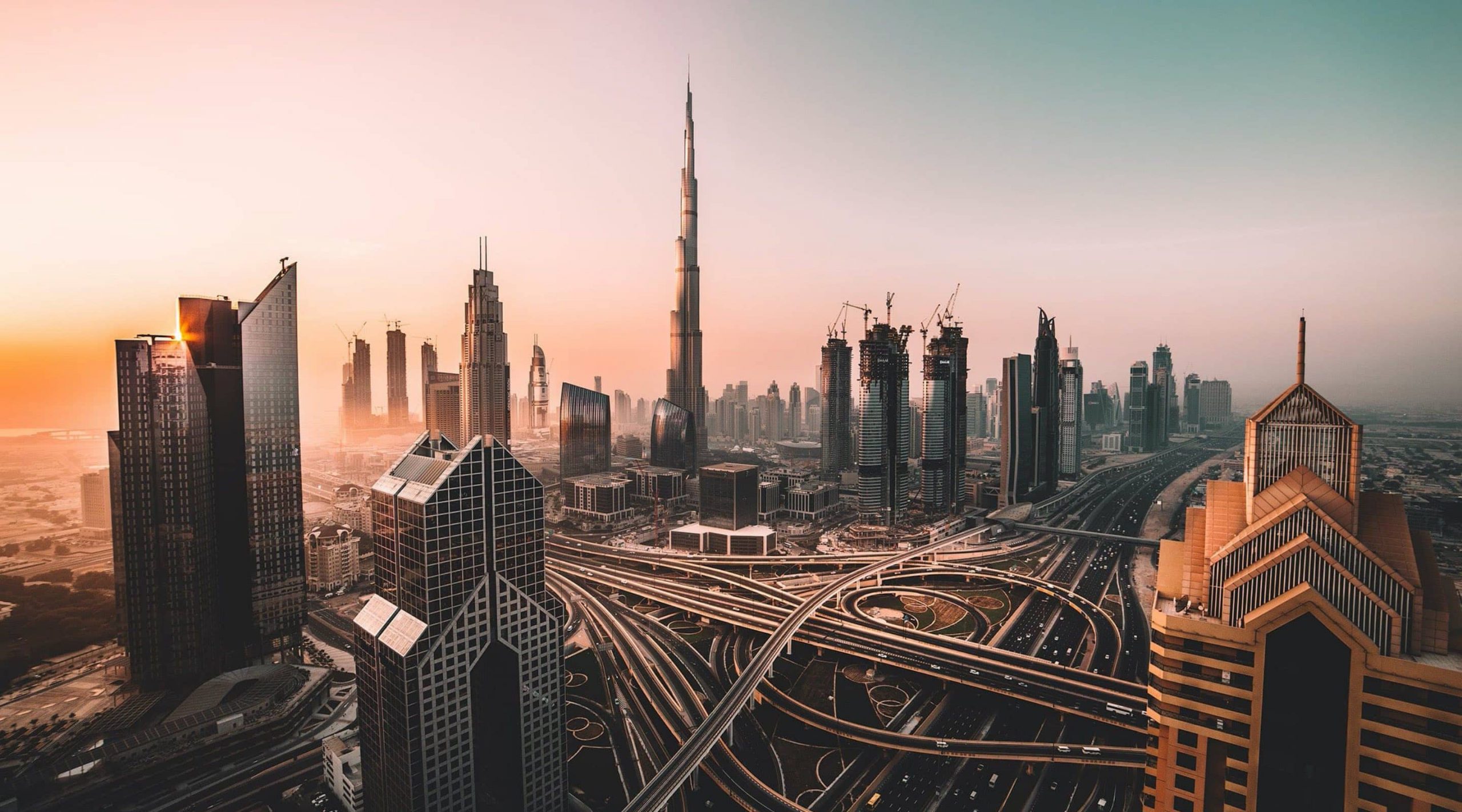

As the world moves toward a more sustainable future, the construction industry is undergoing a major transformation. Green construction is no longer a niche concept; it’s becoming the standard for modern buildings. With rapid technological advancements and increased environmental awareness, 2025 is set to bring exciting innovations that will redefine how we build. Here are the key trends shaping the future of green construction.
1. The Rise of Net-Zero Energy Buildings
One of the most significant shifts in green construction is the move toward net-zero energy buildings (NZEBs). These structures generate as much energy as they consume, thanks to solar panels, wind energy systems, and advanced insulation techniques. With stricter building codes and government incentives, expect to see more commercial and residential properties designed to be completely energy-independent.
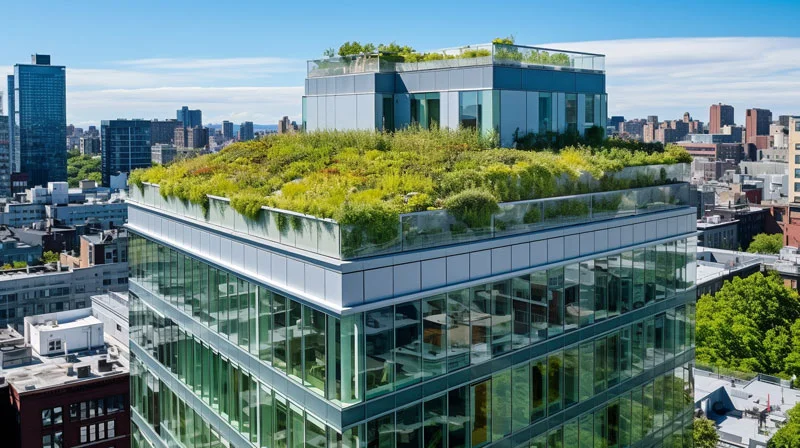
2. Smart Materials and Biodegradable Innovations
The next wave of sustainable construction materials includes self-healing concrete, algae-based insulation, and biodegradable bricks. These materials not only reduce waste but also improve a building’s longevity and efficiency. By integrating smart materials, architects and engineers are pushing the boundaries of what’s possible in sustainable design.
3. AI and Automation in Eco-Friendly Construction
Artificial intelligence and automation are playing a crucial role in optimizing green construction. AI-driven design software helps architects create energy-efficient buildings, while robotic automation reduces material waste during construction. 3D printing technology is also making sustainable housing more affordable and accessible by minimizing excess materials and lowering carbon footprints.
4. The Expansion of Green Building Certifications
Building certifications such as LEED, BREEAM, EDGE, and WELL are becoming more important as governments and corporations prioritize sustainability. These certifications set industry standards for energy efficiency, water conservation, and indoor air quality, making them essential for future construction projects.
5. The Growth of Modular and Prefabricated Construction
Prefabricated and modular construction is revolutionizing the industry by reducing waste, energy consumption, and construction time. These methods allow builders to create sustainable structures faster and with greater precision, making green building more efficient and cost-effective.
6. Carbon-Neutral Construction Practices
The construction sector is responsible for nearly 40% of global CO2 emissions. To combat this, companies are adopting carbon-neutral construction techniques, such as using low-carbon concrete, repurposed materials, and carbon capture technologies. Many firms are also committing to carbon offset programs to neutralize their environmental impact.
7. Water Conservation and Smart Irrigation Systems
With water scarcity becoming a global issue, green buildings are integrating rainwater harvesting, greywater recycling, and smart irrigation systems to minimize water usage. These innovations ensure that buildings remain environmentally responsible without compromising functionality.
Final Thoughts
As sustainability becomes a driving force in construction, the industry is embracing new technologies, smarter materials, and energy-efficient solutions to build a greener future. Whether it’s through net-zero buildings, AI-driven designs, or modular construction, the future of green construction is bright and full of possibilities.
At Constructier, we are committed to staying ahead of these trends and bringing innovative, eco-friendly solutions to every project we undertake. If you’re looking to build smarter, greener, and more sustainably, contact us today to learn how we can help.